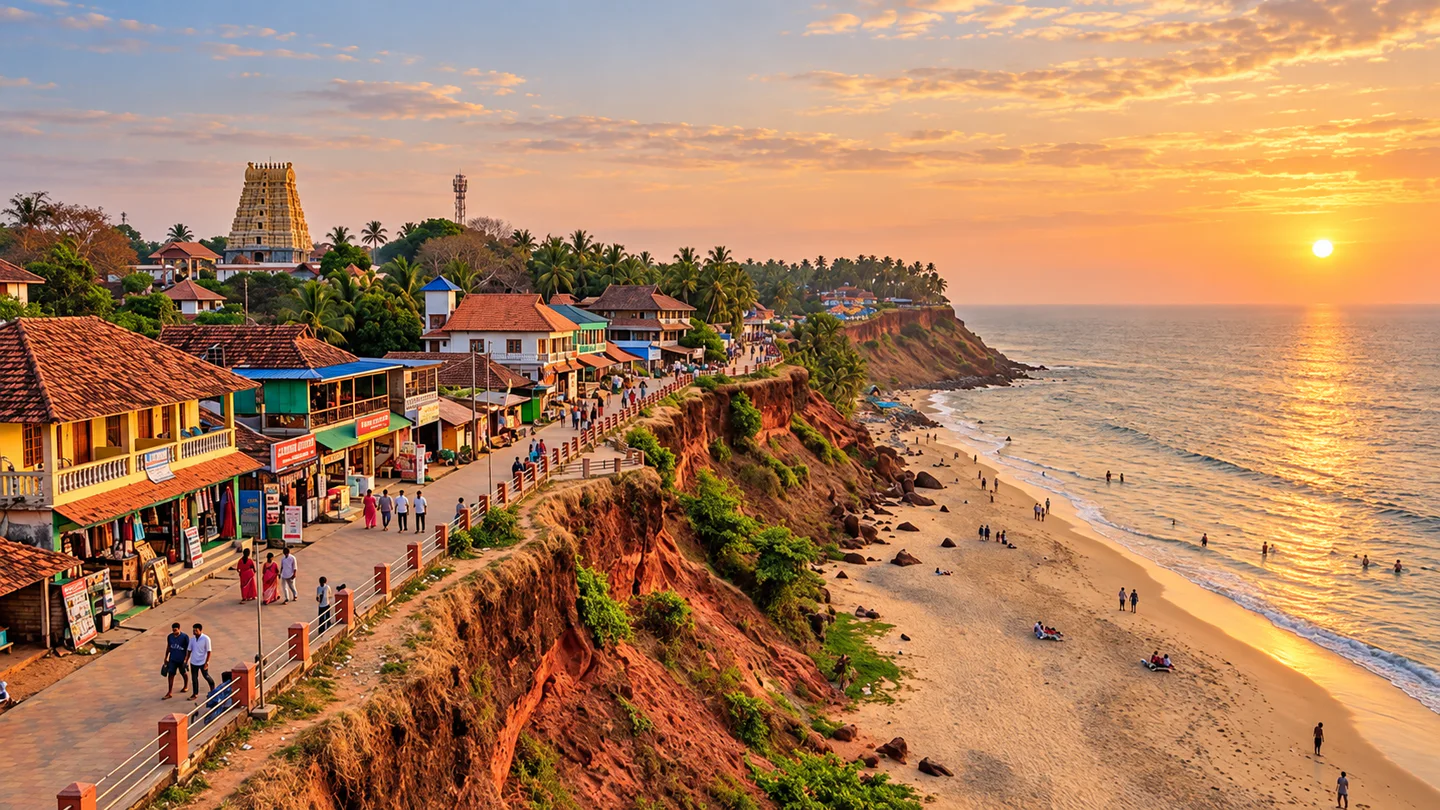
Varkala North Cliff and beach at sunset

Thiruvananthapuram · Kerala destination

Varkala

Follow Varkala from its Arabian Sea cliffs and Papanasam shore to temple paths, Sivagiri's social-reform legacy and the quieter coast-and-backwater landscape north towards Kappil.

Beach & CoastHeritageBackwaters

Discover Varkala

Where Kerala's coast rises into a remarkable cliff landscape

Varkala is a coastal town and municipality in Thiruvananthapuram district. Its visitor centre is the cliff-and-beach corridor west of town, while the railway station, residential neighbourhoods, markets, temples and Sivagiri sit inland. Treating Varkala as only a beach misses both its geography and its cultural life.

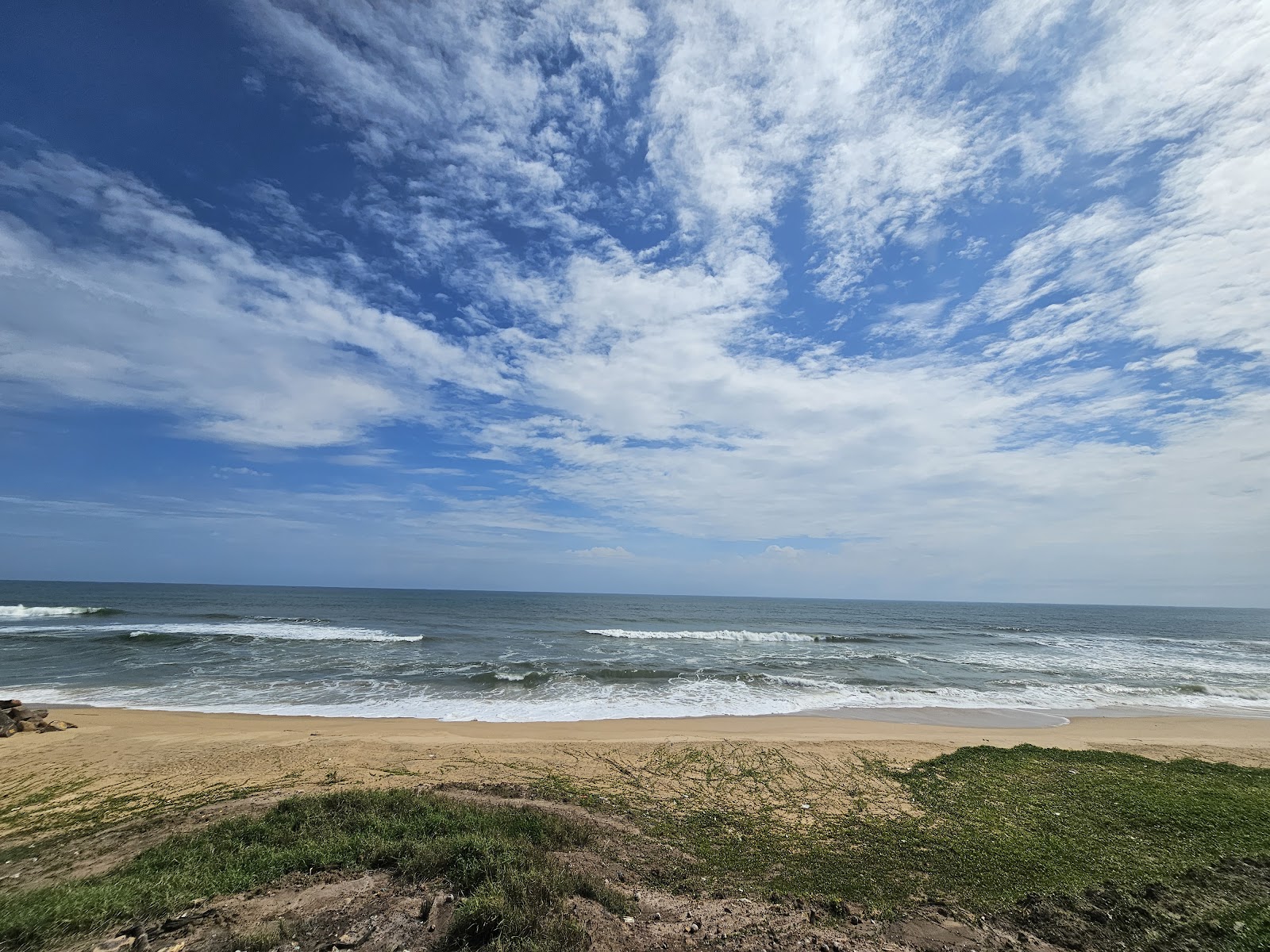
The defining landscape is the Varkala Formation, a rare stretch of sedimentary cliffs beside the Arabian Sea. Papanasam Beach lies below part of this cliff line and holds religious importance for Hindu rites as well as being a popular public beach. North Cliff is the busier promenade for views, cafes and shops; South Cliff and beaches farther north can feel quieter, though conditions and access change.

Varkala is also a major pilgrimage and social-history destination. Janardhana Swamy Temple stands near Papanasam, while Sivagiri Mutt preserves the legacy of Sree Narayana Guru. Visit these as active sacred places, dress respectfully and allow worship and local routines to take priority over sightseeing.
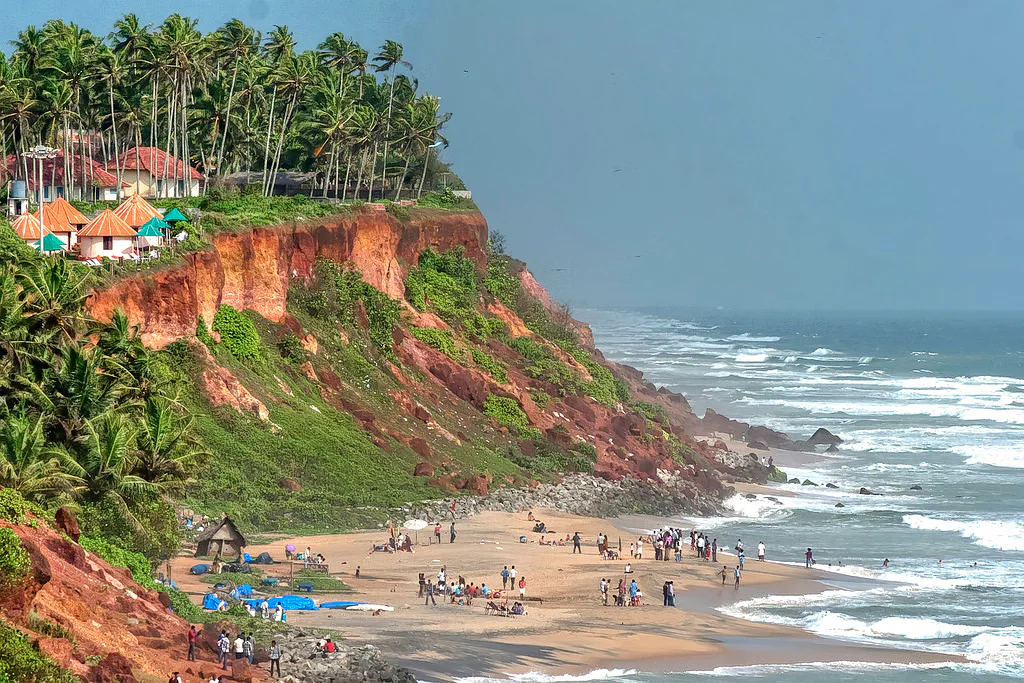
Varkala red cliffs above the beach in daylight
Varkala red cliffs above the beach in daylight — user-supplied photograph

Why Varkala

A coast shaped by geology, pilgrimage and everyday town life

Walk above an unusual Arabian Sea cliff

The cliff edge gives Varkala its unmistakable profile and broad sea views. Use established paths and viewpoints, stay behind barriers and avoid unstable edges or unofficial shortcuts.

Experience Papanasam as both beach and sacred landscape

Papanasam is used for leisure, worship and remembrance. Follow lifeguard and flag guidance, and give ritual activity privacy and space.

Connect the coast with living heritage

Janardhana Swamy Temple and Sivagiri Mutt add religious, architectural and social-reform context that a cliff-only visit would miss. Check current visitor access and dress expectations before arriving.

Extend the route towards Kappil

The coast north of the main cliff passes Thiruvambady, Odayam and Edava before reaching the Kappil lake-and-sea landscape. Choose a few stops rather than treating every beach access as a required attraction.

Places nearby

Places to visit in and around Varkala

Use the verified destination notes and nearby place guides to plan a practical route.

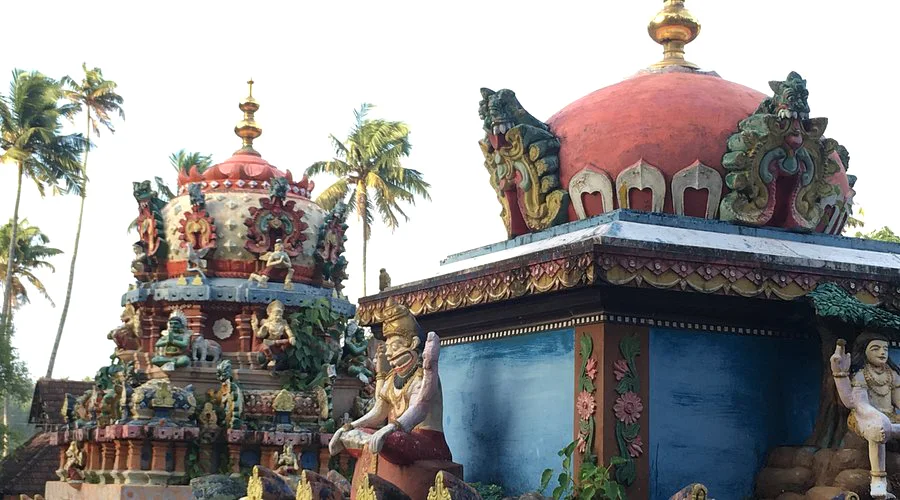
Decorated temple structures at Janardhana Swamy Temple
Decorated temple structures at Janardhana Swamy Temple — user-supplied photograph

Planning notes for places near Varkala

Varkala Cliff and North Cliff promenade

Use the established promenade for elevated sea views, food and access points towards the beach. The cliff is a protected geological landscape: remain behind barriers, avoid crumbling edges and do not climb exposed faces.

Papanasam Beach

The beach below the cliff is Varkala's best-known shoreline and an important ritual setting. Visit early for cooler conditions or later for softer light, but let live sea conditions determine whether entering the water is appropriate.

Janardhana Swamy Temple

This historic Vishnu temple stands near the Papanasam area and remains an active place of worship. Confirm current entry rules and opening times, dress conservatively and avoid interrupting ceremonies.

Sivagiri Mutt

The hilltop spiritual centre is associated with Sree Narayana Guru and includes his samadhi and the distinctive Sarada Temple. The annual Sivagiri pilgrimage from 30 December to 1 January brings especially large numbers of devotees.

South Cliff and quieter coastal stretches

South Cliff, Aaliyirakkam, Thiruvambady and Odayam offer different views and access patterns from the main promenade. Paths, stairs and beach width can change with erosion and weather, so use maintained approaches.

Kappil lake-and-sea landscape

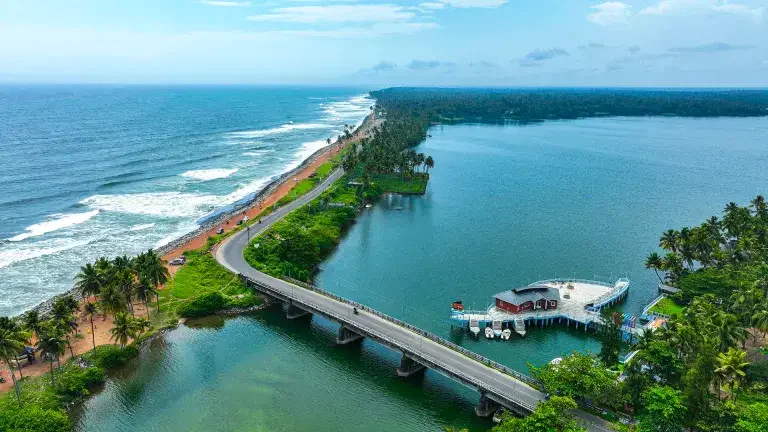
North of Varkala, Kappil brings the Arabian Sea close to a calm lake and backwater setting. Treat boating, surfing and other operated activities as conditional on weather, tides, provider status and current local permission.

Things to do

Balance cliff walks, sacred places and condition-led activities

Walk the cliff in the cooler hours

Begin early or near sunset, stay on maintained public paths and keep a safe distance from the edge. Carry water and expect busier stretches around North Cliff.

Spend time on the beach without assuming swimming conditions

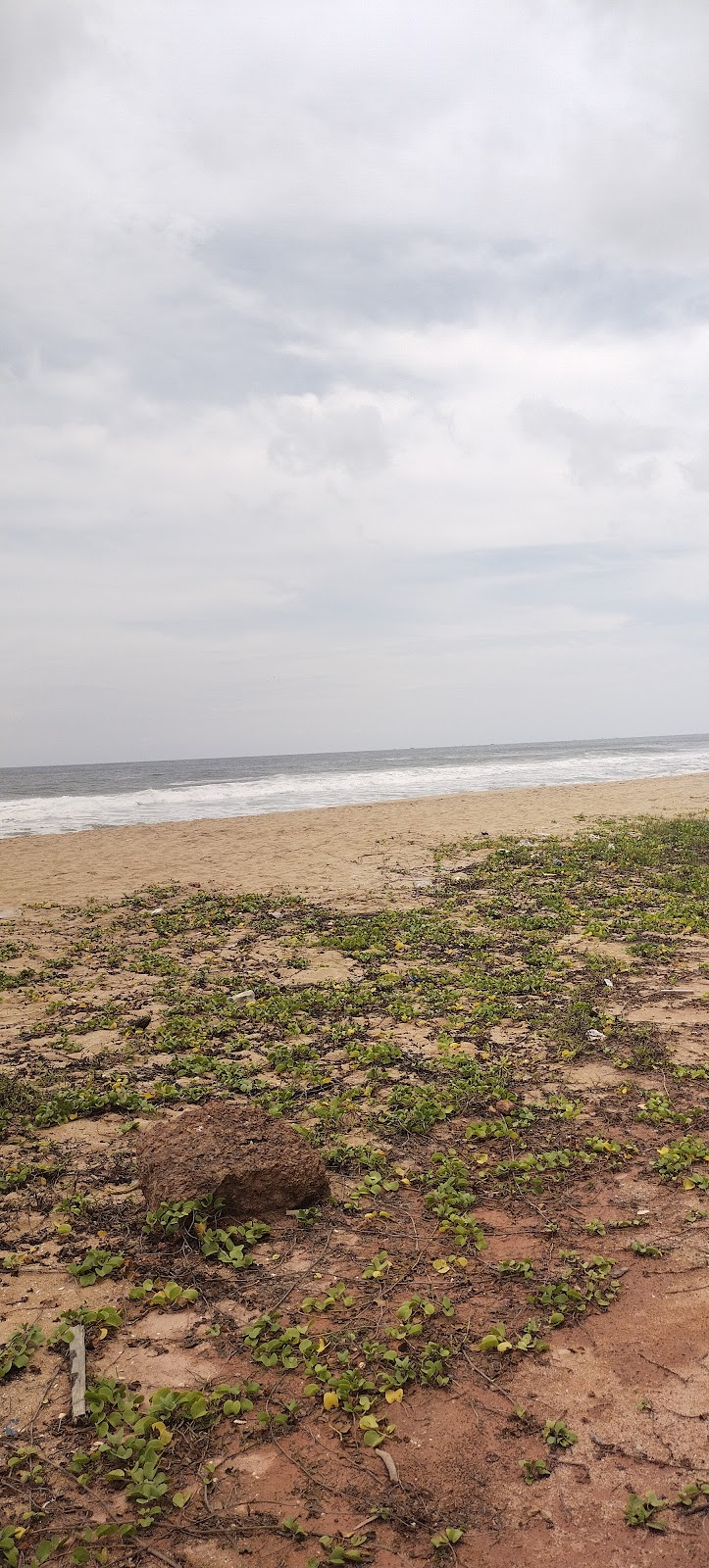
Walk the firm sand where access is open, follow lifeguard instructions and keep children within reach. Strong waves and currents can occur even when the beach looks calm.

Visit Varkala's spiritual landmarks

Pair Janardhana Swamy Temple with Sivagiri Mutt for a fuller understanding of the destination. Check access locally and keep photography discreet.

Try an operated experience only after reconfirming it

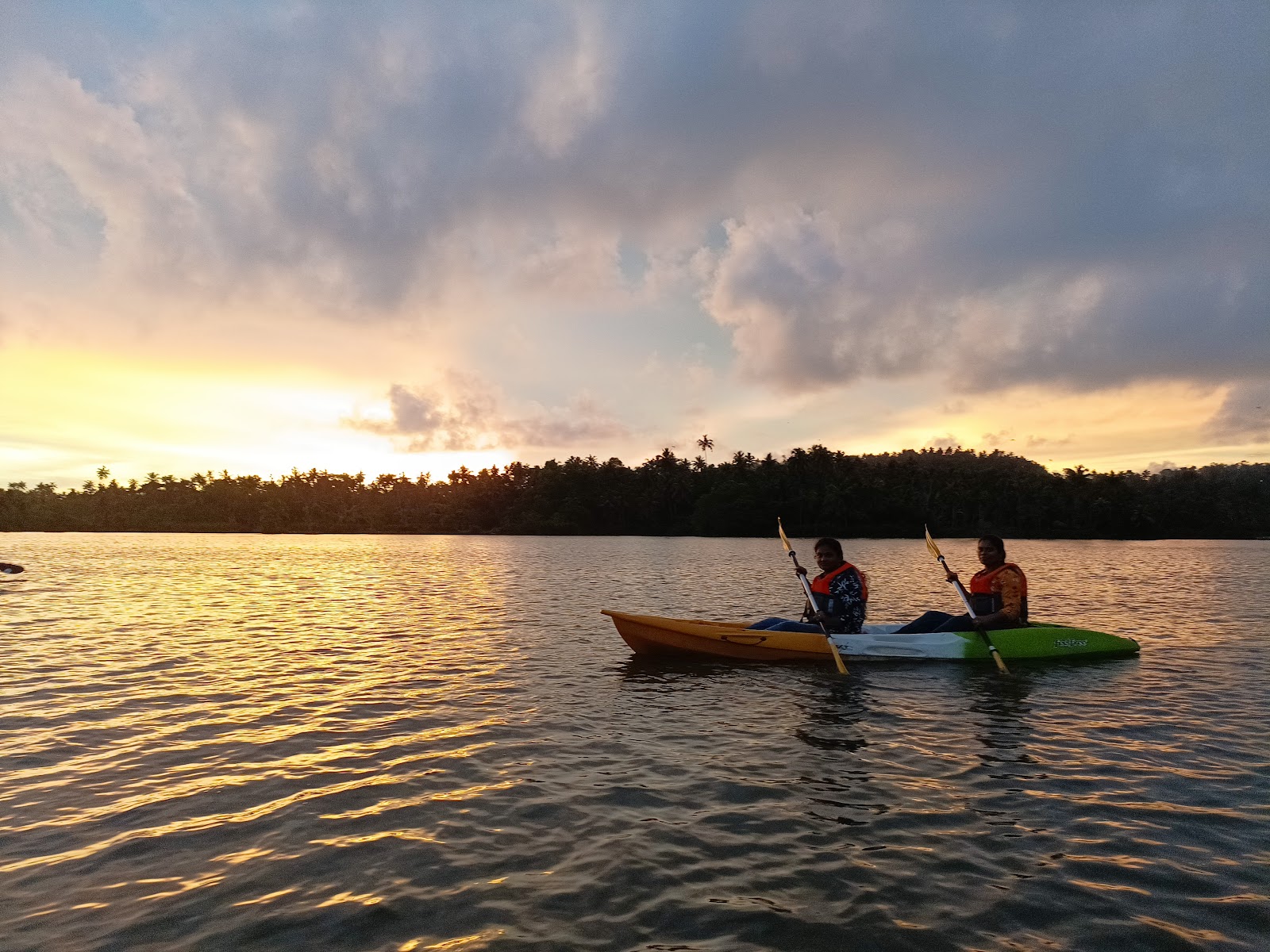
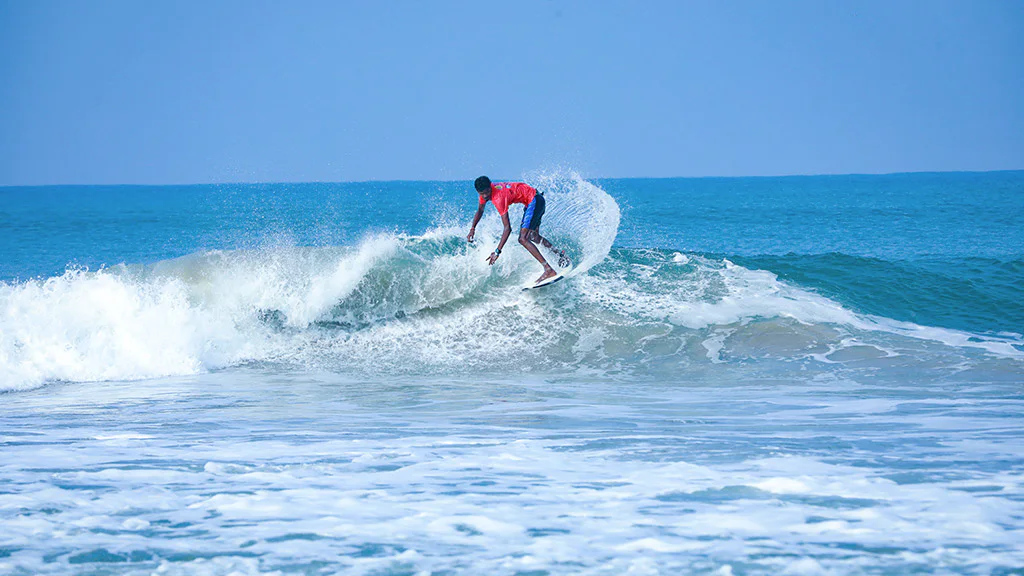
Surfing, paragliding, kayaking and boat trips are weather-dependent and may be suspended. Use an accredited or clearly established operator, inspect safety equipment and do not rely on an old listing or social post.

Explore food, yoga or a cooking session

Choose established venues, discuss allergies and prices in advance, and treat Ayurveda or wellness services as optional experiences rather than substitutes for medical care.

Surfer riding a wave on the Kerala coast
Surfer riding a wave on the Kerala coast — user-supplied photograph

Best time to visit

Plan around heat, rain, pilgrimage dates and sea conditions

October to February

These months usually offer the most comfortable weather for cliff walks and sightseeing. Christmas, New Year and the Sivagiri pilgrimage period can bring heavy demand, so reserve accommodation and transport early.

March to May

Days become hotter and more humid. Move outdoor plans to morning and late afternoon, use sun protection and keep the middle of the day flexible.

June to September

The southwest monsoon brings dramatic skies and greener surroundings, but heavy rain, rough seas, erosion and path closures can affect the coast. Do not build a monsoon visit around swimming or operated water activities.

Daily rhythm

Early morning suits the beach, temples and a quieter cliff walk. Sunset is popular along the promenade, so plan return transport and avoid dark, unfamiliar cliff access after rain.

A simple plan

A flexible two-day Varkala plan

Day 1 morning — Town, temple and Papanasam

Arrive through Varkala town, leave luggage and visit Janardhana Swamy Temple if current access permits. Continue to Papanasam Beach while the heat is manageable.

Day 1 afternoon — Rest and South Cliff

Use the hottest hours for lunch and rest, then walk an established South Cliff or Aaliyirakkam route according to current access.

Day 1 evening — North Cliff

Follow the main promenade for sea views and sunset, keeping away from exposed edges. Choose dinner close to the accommodation rather than adding a rushed night transfer.

Day 2 morning — Sivagiri Mutt

Visit Sivagiri early and allow time for the social-reform and pilgrimage context, not only photographs. Dress respectfully and follow site guidance.

Day 2 late morning — Northern coastal extension

Choose Thiruvambady or Odayam for a short stop, then continue towards Kappil if time, weather and road conditions are comfortable. Skip operated activities unless their status has been reconfirmed.

One-day alternative

Combine Sivagiri Mutt, Janardhana Swamy Temple, Papanasam Beach and one cliff walk. Leave Kappil for another day rather than compressing the route.

Kappil coast, bridge and backwaters north of Varkala
Kappil coast, bridge and backwaters north of Varkala — user-supplied photograph

How to reach

Reach Varkala by rail or road, then plan the final coastal transfer

By train

Varkala Sivagiri is the practical local railhead. Not every service stops there, so check the current railway timetable and your specific train before booking. Continue to the cliff, beach or accommodation by local taxi, auto-rickshaw or arranged pickup.

By air

Thiruvananthapuram International Airport is the nearest major airport. Transfer time varies with city traffic and the exact location of the stay, so confirm a realistic pickup plan rather than relying on a fixed journey time.

By road

Varkala is connected by road with Thiruvananthapuram, Kollam and surrounding coastal towns. The final lanes near cliff and beach properties can be narrow, busy or unsuitable for large vehicles.

Local movement

Auto-rickshaws and taxis are useful between the station, cliff, Papanasam, Sivagiri and Kappil. Walking works within individual cliff sections, but heat, stairs, erosion and gaps between access points make the whole destination unsuitable for a single continuous walk.

Open Varkala in Google Maps

Plan well

Choose the exact Varkala base and keep the plan flexible

Check which part of Varkala you are booking

A property may be near North Cliff, South Cliff, Odayam, Edava, the town centre or Sivagiri. Check the map, luggage access, stairs, parking and actual walking route before confirming.

Reconfirm access and operated activities

Cliff paths, stairs, beaches, boating and adventure activities can change with erosion, maintenance, tides and weather. Ask the accommodation or operator for same-day information.

Respect worship and ritual activity

Wear suitable clothing at temples and Sivagiri, follow photography restrictions and keep a respectful distance from rites at Papanasam.

Carry for a tropical coast

Bring drinking water, sun protection, footwear with grip and a rain layer in the monsoon. Salt spray and sudden rain can affect electronics.

Reduce pressure on the cliff landscape

Use marked bins, avoid single-use plastic where possible and never carve, climb or remove material from the cliff or spring areas.

Safety first

Let barriers, lifeguards and official warnings override the plan

Stay back from cliff edges

The Varkala cliffs are geologically important and vulnerable to erosion. Remain on maintained paths, obey closures and barriers, and avoid overhangs, crumbling faces and shortcuts.

Treat the Arabian Sea as changeable

Follow beach flags and lifeguards. Avoid swimming during rough surf, high-wave alerts, storms or whenever local authorities advise against entering the water.

Supervise children continuously

Keep children within reach near the sea, springs, stairs, cliff edges, lakes and boating points. Shallow-looking water and inflatable toys do not replace supervision.

Check operators and equipment

For surfing, paragliding, kayaking or boat trips, confirm current operation, weather suitability, trained staff, safety briefing and properly fitting equipment before paying or participating.

Follow Kerala's official weather and coastal alerts

Consult current KSDMA, IMD and local-authority guidance during monsoon, strong wind, lightning or high-wave conditions. Postpone exposed coastal activity when warnings are active.

Useful answers

Questions about visiting Varkala

Is Varkala a beach or a town?

Varkala is a coastal town and municipality. Varkala Beach, Papanasam and the cliff corridor form its best-known visitor zone, while the railway station, markets, temples and Sivagiri are inland.

How many days are enough for Varkala?

Two days and one night allow time for the cliff, Papanasam, Janardhana Swamy Temple, Sivagiri and one quieter coastal extension. A focused day trip is possible but more rushed.

Is Varkala Beach safe for swimming?

Safety depends on live waves, currents, flags and lifeguard instructions. Do not assume that calm-looking water is safe, especially during monsoon or high-wave conditions.

Why are the Varkala cliffs important?

They form a rare coastal geological landscape known as the Varkala Formation and are recognised as a geological monument. Their fragile edges require careful visitor behaviour.

Is Varkala on UNESCO's World Heritage List?

The Varkala cliffs were added to India's UNESCO Tentative List in 2025. Tentative listing is not the same as inscription as a World Heritage Site.

When is the best time to visit?

October to February is generally most comfortable. Peak holiday and Sivagiri pilgrimage dates are busier, while the southwest monsoon can bring rough sea conditions and coastal access changes.

Can I visit Sivagiri Mutt and Janardhana Swamy Temple?

Both are active sacred places. Visitor access, dress rules, services and photography conditions should be checked locally and followed respectfully.

Are surfing and paragliding always available?

No. They depend on weather, sea conditions, permissions and operator schedules. Reconfirm on the day and use a suitable established provider.

Are nearby-card distances road distances?

No. Hopnest nearby cards use straight-line coordinates, so road journeys may be longer.

Stay near Varkala

Find a nearby stay

Spend less time travelling and keep more time for the destination.

View all nearby stays