
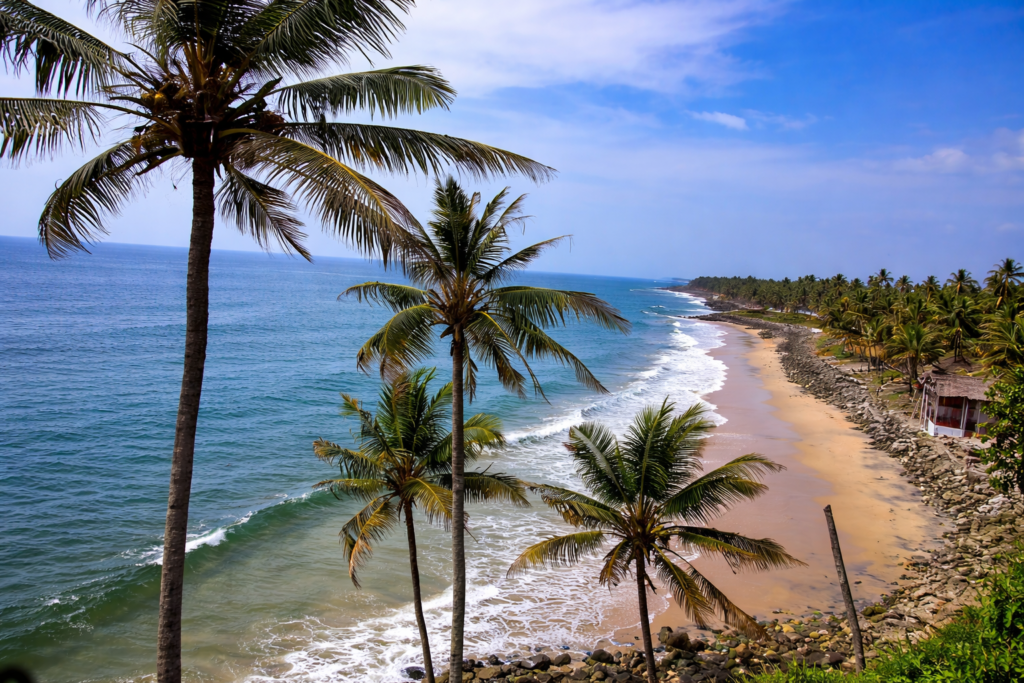
Kerala, popularly known as “God’s Own Country,” is not just a destination; it’s a feeling. From the mist-covered peaks of the Western Ghats to the golden sunsets on the Arabian Sea, every corner of this state tells a story of nature’s bounty and cultural heritage. Whether you are a solo backpacker, a couple on a romantic escape, or a family seeking peace, Kerala offers a diverse palette of experiences.
Navigating these 22 iconic locations is easy when you have the right guide. The Hopnest app is designed to help you discover these spots and more, making your Kerala exploration seamless and authentic.
1. Munnar: The Emerald Hill Station
Munnar is a vast, rolling carpet of green tea plantations where the clouds descend to touch the hills. Walking through the narrow paths of these estates, you feel the crisp mountain air filling your lungs while the scent of fresh tea leaves lingers around you. This hill station enjoys a cool, refreshing climate year-round, making it a perfect escape. The best time to visit is from September to March when the weather is crisp and clear, though summer (April to June) is also pleasant to escape the heat of the plains. However, you should avoid the peak monsoon months of July and August, as heavy rains can lead to misty roads, landslides, and limited trekking access.
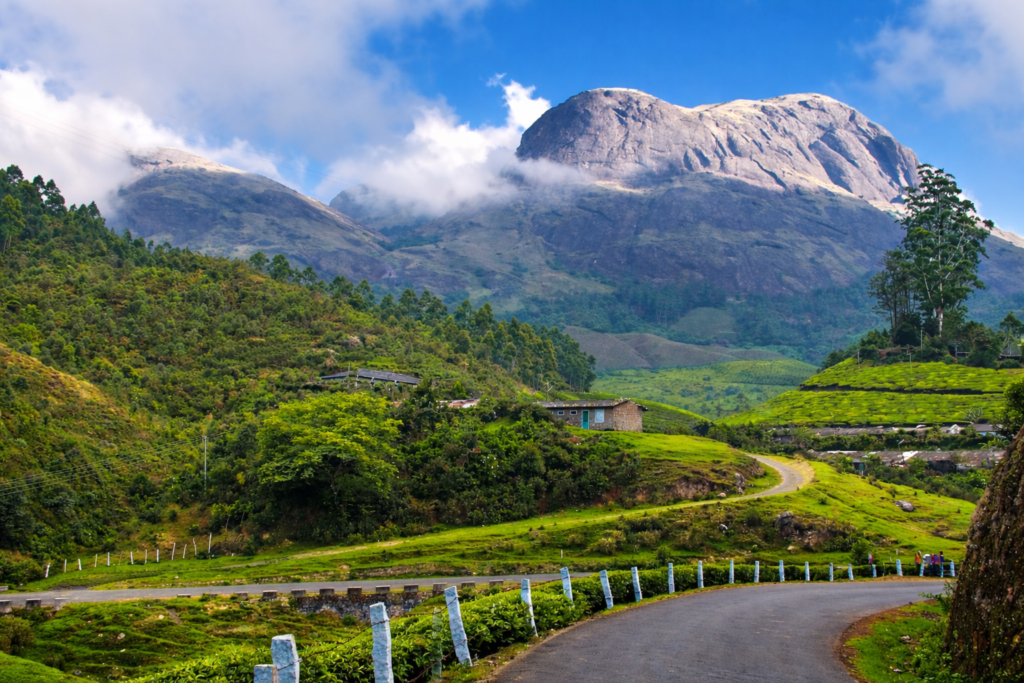
- Chinnar Wildlife Sanctuary: Explore this unique rain-shadow region home to the grizzled giant squirrel.
- Marayoor Dolmens: Step back in time at these ancient Neolithic burial chambers.
- Top Station: Stand at the highest point for a panoramic view of the Munnar valley.
- Pothamedu View Point: The best spot to witness the sprawling coffee and tea estates.
- Mattupetty Dam: A scenic lake and dam where you can enjoy a quiet boat ride.
- Meesapulimala: A trekker’s paradise and the second-highest peak in the Ghats.
- TATA Tea Museum: Discover the fascinating history of tea processing in the region.
- Attukad Waterfalls: A stunning cascade nestled between hills and thick jungles.
- You can know more here: Complete Guide to Munnar Travel — Explore hidden trails, the best local plantation stays, and secret viewpoints.
2. Alleppey: The Soul of the Backwaters
Alleppey (Alappuzha) is where time stands still, offering a coastal climate that is humid yet tempered by refreshing sea breezes. Floating on a traditional houseboat through the narrow, palm-fringed canals is an experience that stays with you forever. The best time to visit is from October to February when the heat is minimal and the water is calm. You should avoid visiting in May as the humidity can be quite high and draining for travelers. While the monsoon (June–September) is beautiful, it may disrupt houseboat schedules, making the winter months the ideal window for discovery.
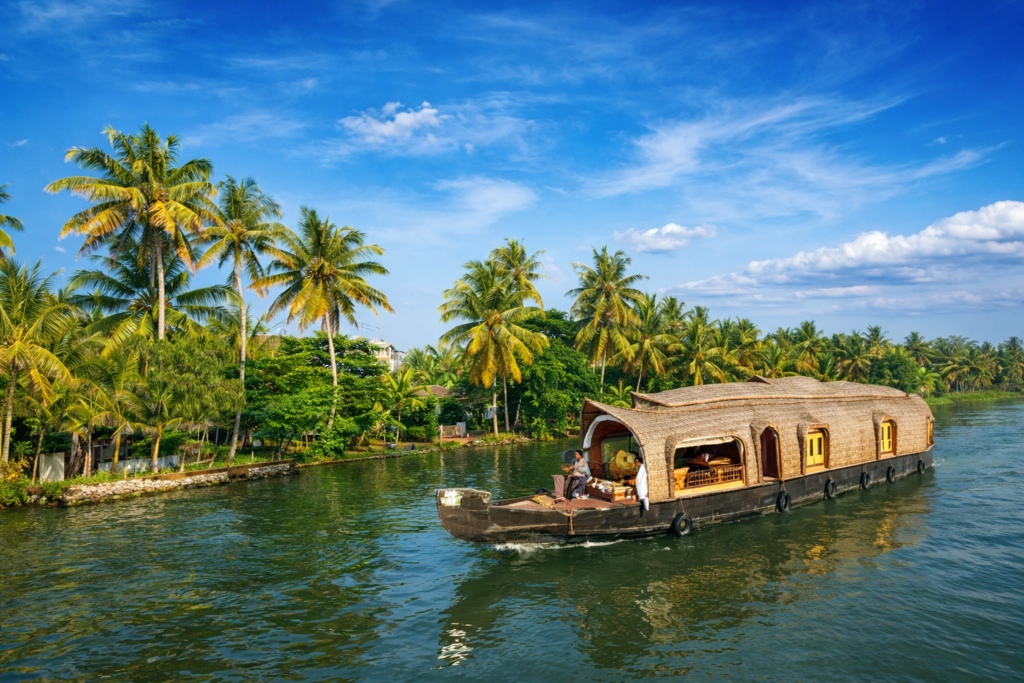
- Vembanad Lake: Witness the vastness of Kerala’s largest lake during sunset.
- Alappuzha Beach: A historic beach famous for its 150-year-old pier.
- Krishnapuram Palace: Marvel at the Ganjendra Moksham, the largest mural painting in Kerala.
- Pathiramanal Island: A small, enchanted island perfect for birdwatching.
- Nehru Trophy Boat Race: Experience the energy of the world-famous “Snake Boat” race in August.
- Arthunkal Church: A beautiful St. Andrew’s Basilica known for its historic architecture.
- You can know more here: Complete Guide to Alappuzha Travel — Discover the best hidden canals, luxury houseboat stays, and a full list of places to visit in Alappuzha for an unforgettable experience.
3. Wayanad: The Mist-Clad Wilderness
Wayanad is a land of legends, hidden caves, and wild beauty. It is a high-altitude district where forests dominate the landscape and the weather remains pleasant for most of the year. The best time to visit is September to March, offering perfect conditions for wildlife spotting and cave exploration. You should avoid the peak monsoon months (June–August) if you plan on trekking, as the trails become slippery and leeches are common in the dense undergrowth. While summer (April–May) is warmer, it remains a comfortable time for forest exploration compared to the lowlands.
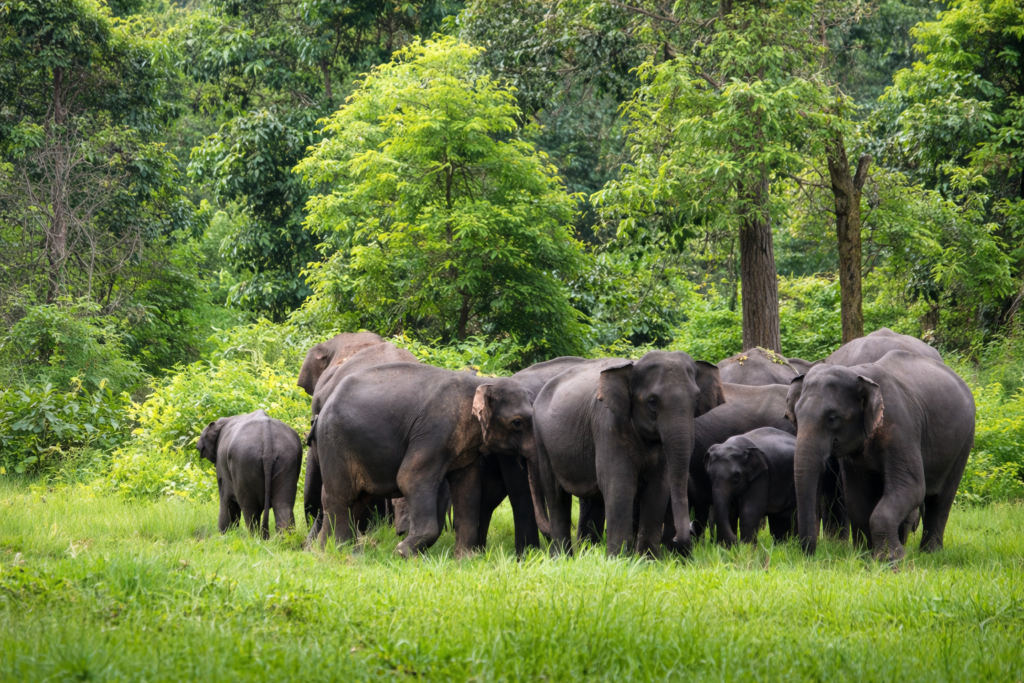
- Wayanad Wildlife Sanctuary: Spot wild elephants and tigers in their natural habitat.
- Kuruvadweep: A protected river delta with a cluster of islands on the Kabini River.
- Chembra Peak: Trek up to see the heart-shaped lake that never dries up.
- Thusharagiri Waterfalls: A breathtaking three-tier waterfall perfect for a refreshing dip.
- Banasura Sagar Dam: The largest earth dam in India with a stunning reservoir view.
- Edakkal Caves: Explore prehistoric rock carvings dating back thousands of years.
4. Kochi: The Queen of the Arabian Sea
Kochi is a vibrant mix of the old and the new, featuring a tropical climate that reflects its coastal spirit. From the colonial charm of Fort Kochi to the bustling modern malls, this city is the cultural heartbeat of Kerala. The best time to visit is from October to March when the weather is comfortable for walking tours through historical streets. You should avoid the peak summer months (April–May) when the humidity and heat reach their peak, making outdoor sightseeing difficult. While the monsoon brings heavy rains, it adds a unique, moody charm to the city’s ancient architecture.
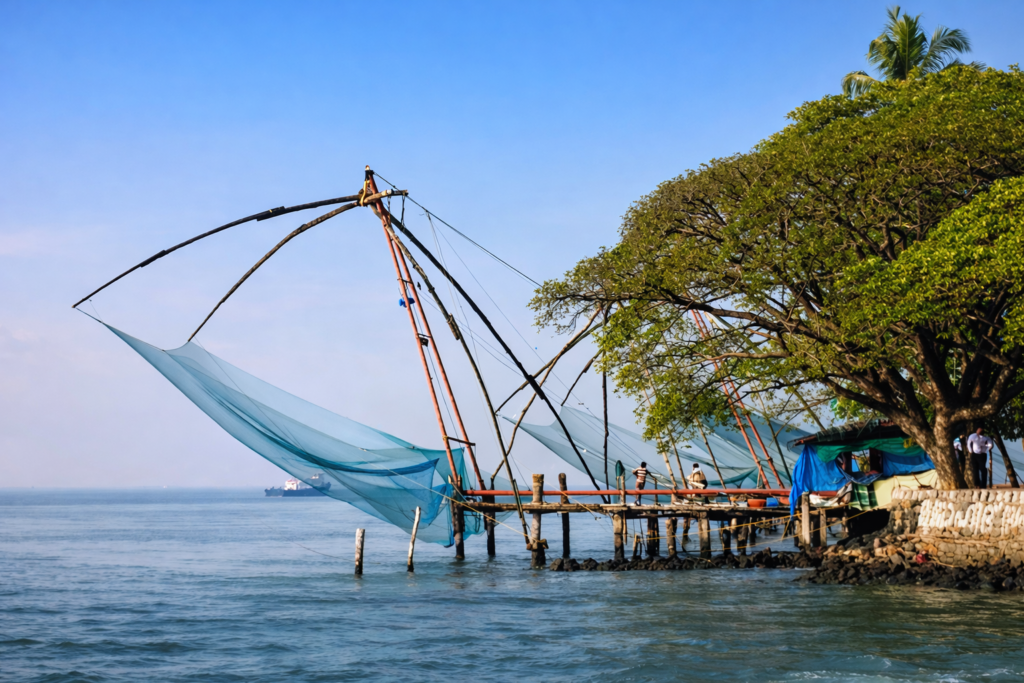
- Chinese Fishing Nets: The iconic silhouette of Kochi’s harbor.
- Mattancherry Palace: Also known as the Dutch Palace, famous for its royal murals.
- Paradesi Synagogue: A stunning piece of Jewish heritage in the heart of the city.
- St. Francis Church: The oldest European-built church in India.
- Marine Drive: A scenic walkway facing the backwaters, ideal for an evening stroll.
- Bolgatty Palace: A beautiful Dutch palace located on Bolgatty Island.
- You can know more here: Must-Visit Destinations Around Kochi — From historical landmarks to modern hangout spots, explore the complete list of top-rated places that define the spirit of the Queen of the Arabian Sea.
5. Kumarakom: A Serene Island Escape
Kumarakom is a cluster of little islands on the Vembanad Lake, focusing on luxury, wellness, and the slow life. The best time to visit is September to February when the weather is mild and migratory birds are most active in the sanctuaries. You should avoid the peak of summer (March–May) as the humidity near the lake can become quite oppressive. Finding your way through these quiet waterways is easier to plan with the Hopnest app, especially during the lush post-monsoon months.
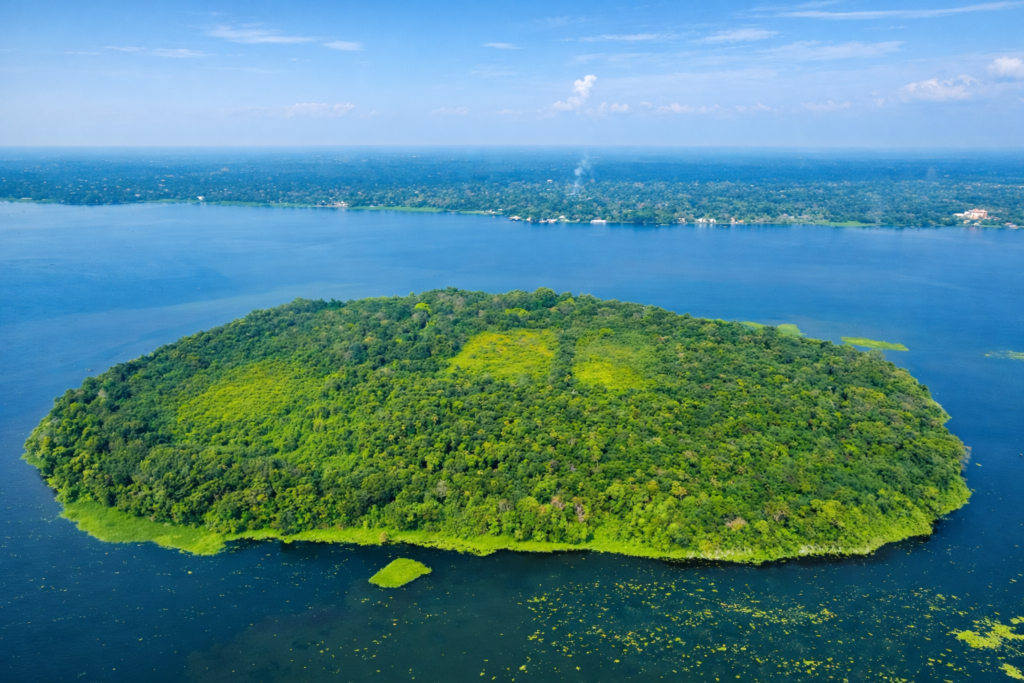
- Pathiramanal Island: A haven for nature lovers and birdwatchers.
- Kumarakom Bird Sanctuary: A favorite haunt for migratory birds like the Siberian stork.
- Aruvikkuzhi Waterfall: A scenic spot where water cascades through rubber plantations.
- Bay Island Driftwood Museum: A unique collection of sculptures made from driftwood.
6. Kovalam: The Crescent Beach Paradise
Kovalam is the most popular beach destination in Kerala, famous for its three adjacent crescent-shaped beaches and tropical climate. The best time to visit is from September to March when the sea is calm, the breeze is cool, and the sun is perfect for bathing. You should avoid the monsoon months (June–August) as the sea can be rough, and swimming is often prohibited for safety. The winter months offer the best atmosphere for the beachside cafes and Ayurvedic centers that Kovalam is famous for.
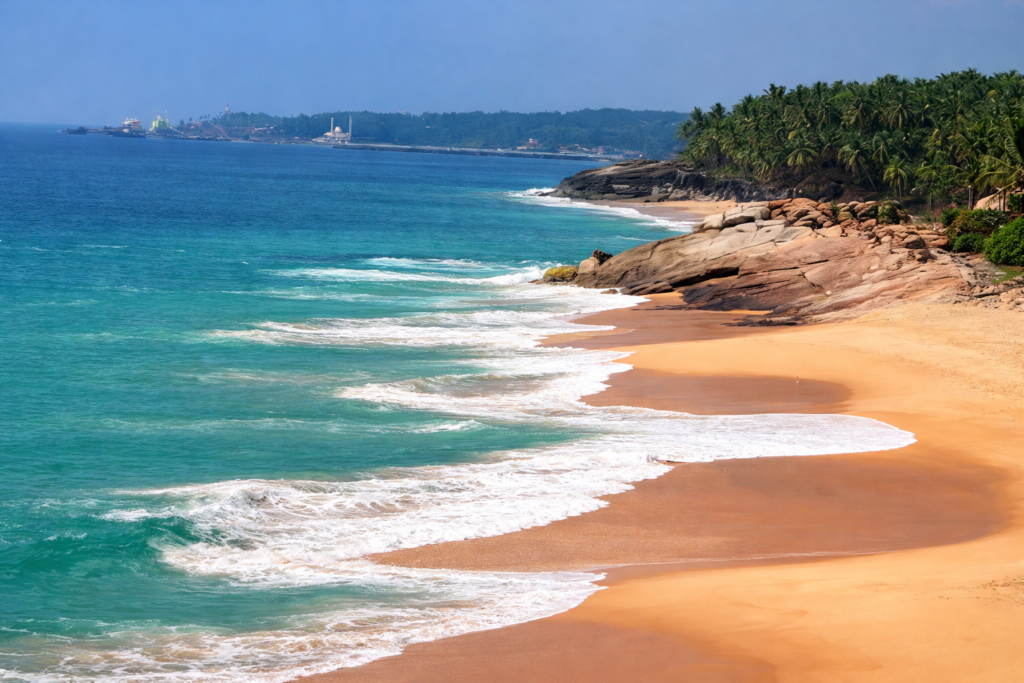
- Hawa Beach: A bustling beach where you can watch local fishermen in action.
- Lighthouse Beach: Known for the iconic red-and-white lighthouse and great views.
- Samudra Beach: A quieter part of the coast, perfect for those seeking peace.
- Vizhinjam Marine Aquarium: A great place to see rare species of marine life.
- Karamana River: Offers a peaceful escape with houseboat and country boat cruises.
7. Vagamon: The Scotland of Asia
Vagamon is an offbeat hill station characterized by velvet-green meadows, pine forests, and cool, misty air. It stays refreshingly cool almost all year, providing a stark contrast to the tropical coast. The best time to visit is from October to March when the meadows are vibrant and the air is clear. You should avoid the monsoon season if you want to enjoy outdoor activities like paragliding or trekking, as the fog can become incredibly thick, reducing visibility and making the terrain slippery.
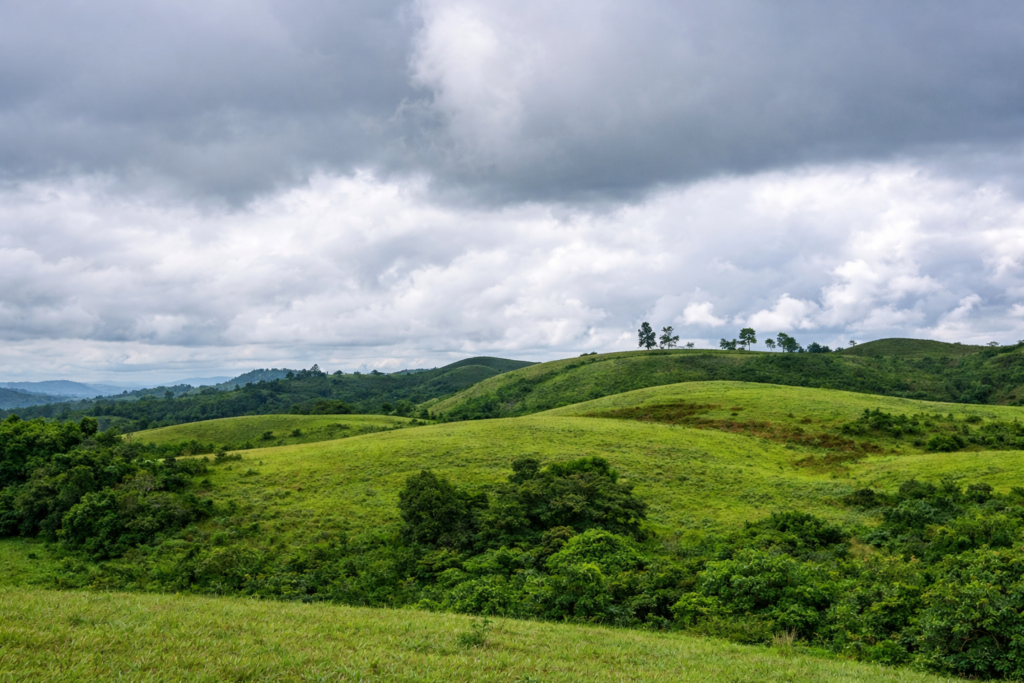
- Pine Hills: Walk through towering pine trees that seem to touch the sky.
- Kurisumala: A peaceful trekking spot and a famous spiritual center.
- ElaveezhaPoonchira: A valley where no leaves fall, offering stunning sunrise views.
- Pine Forest: A serene area perfect for long walks and photography.
- You can know more here: Planning a Vagamon Trip? Here Are the Best Places to Visit — Get a detailed itinerary and discover the top-rated spots for your next adventure in the “Scotland of Asia.”
8. Thekkady: Into the Heart of the Wild
Thekkady is home to the Periyar National Park and enjoys a pleasant, temperate climate throughout the year. The best time to visit is October to February when the weather is cool and perfect for long treks and lake cruises. You should avoid the peak monsoon months to stay clear of leeches in the forest during treks and to ensure the boat safaris are fully operational. This is the ideal spot to watch wild elephants from the safety of a boat while the scent of spices fills the air.
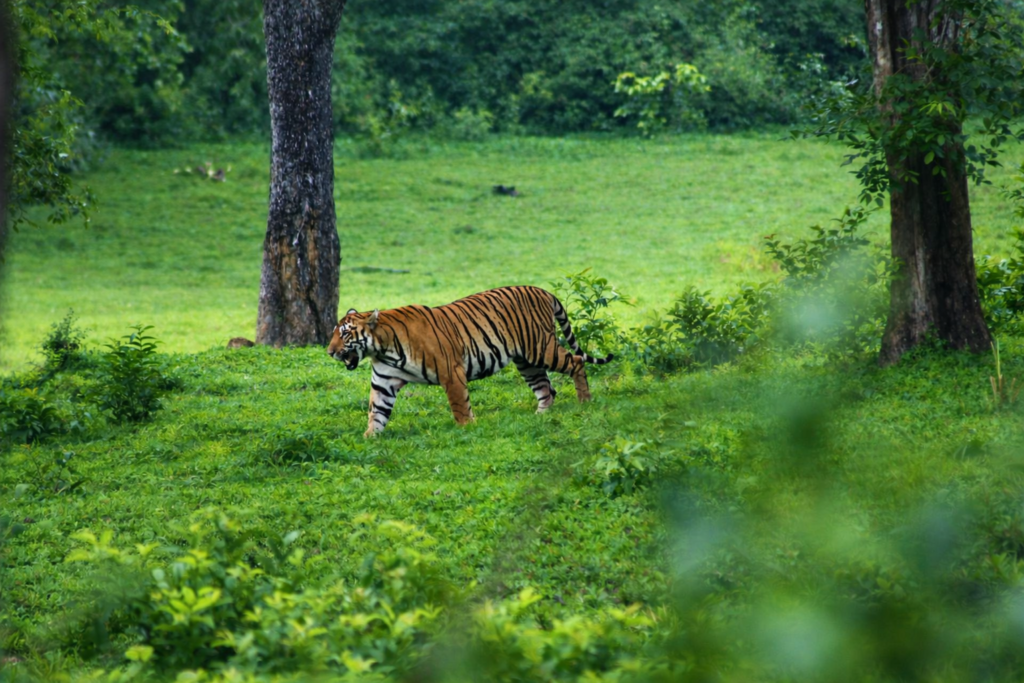
- Periyar Wildlife Sanctuary: A massive reserve for tigers, elephants, and rare flora.
- Periyar Lake: Enjoy a boat safari and spot animals coming to the water’s edge.
- Elephant Junction: An interactive space where you can spend time with elephants.
- Kadathanadan Kalari Center: Watch a thrilling performance of Kalaripayattu.
- Chellarkovil: A village known for its spectacular views of the Tamil Nadu plains.
9. Athirapally Waterfalls: Nature’s Grandeur
Athirapally is the largest waterfall in Kerala, often compared to Niagara Falls for its sheer power. The best time to visit is September to January when the falls are in full flow after the monsoon, creating a magnificent spectacle of white water against green forests. You should avoid the summer months (March–May) as the water level drops significantly, diminishing the grandeur of the falls, though the surrounding forest remains a cool refuge.
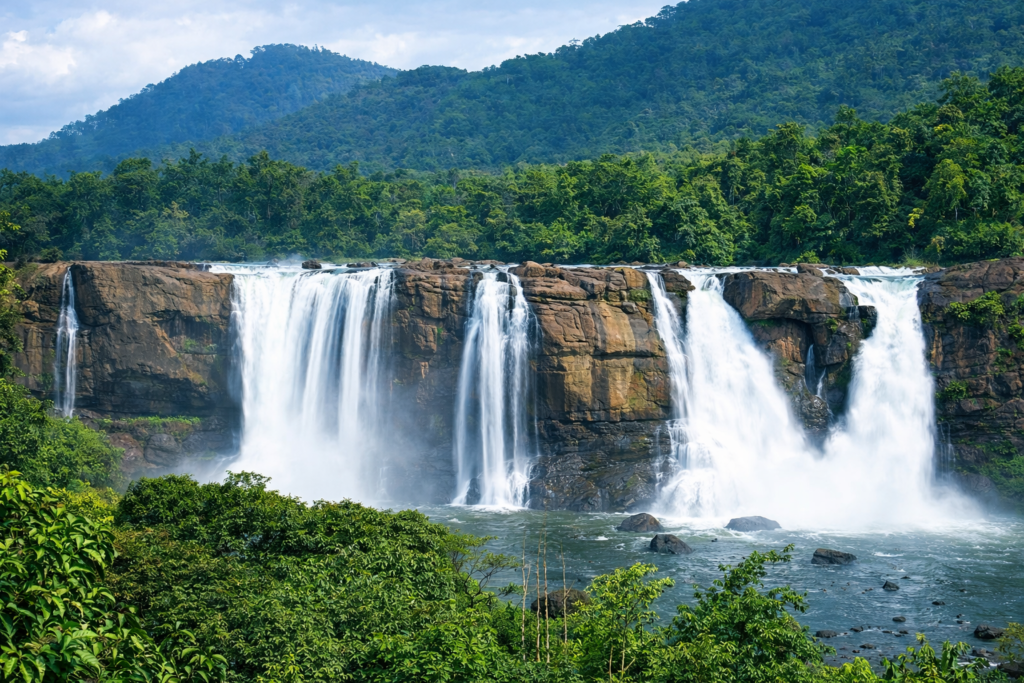
- Vazhachal Falls: A shorter but equally beautiful waterfall located nearby.
- Thumboormuzhi Dam: Features a colorful butterfly park and a hanging bridge.
- Sholayar Forest: A scenic route perfect for a long, winding drive.
10. Varkala: Cliffs and Spirituality
Varkala is unique for its majestic cliffs that stand guard over the Arabian Sea, offering a tropical coastal climate with legendary sunsets. The best time to visit is October to March when the breeze on the cliffside is cool and the sea is perfect for swimming. You should avoid the summer months when the heat on the exposed beach and cliffs can be intense. The winter months bring a bohemian vibe to the cliff cafes that you won’t want to miss.
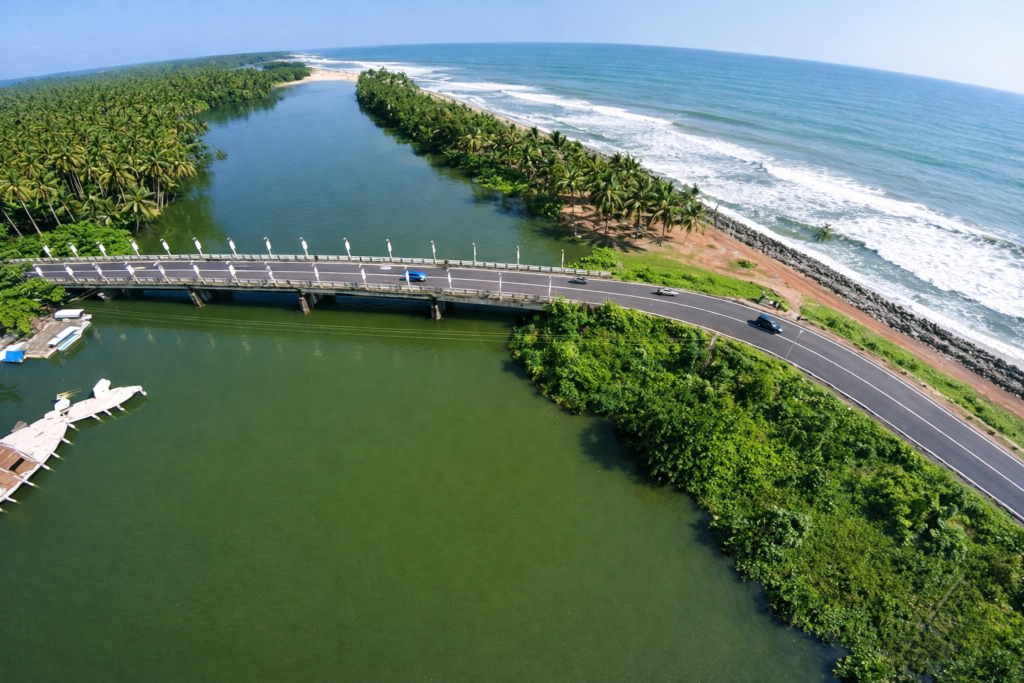
- Varkala Beach (Papanasam Beach): Holy waters believed to wash away sins.
- Janardhana Swami Temple: A 2,000-year-old temple overlooking the cliffs.
- Kappil Lake: A serene estuary where the lake meets the sea.
- Ponnumthuruthu Island: A hidden island with an ancient Shiva-Parvati temple.
11. Palakkad: The Land of Palms and Paddy
Palakkad is the gateway to Kerala, known for its warm weather and vast green paddy fields. The best time to visit is September to February when the heat is manageable and the landscape is lush after the rains. You must strictly avoid the peak summer months (March–May) as Palakkad is one of the hottest districts in Kerala, with temperatures often soaring above 40°C, making outdoor exploration nearly impossible.
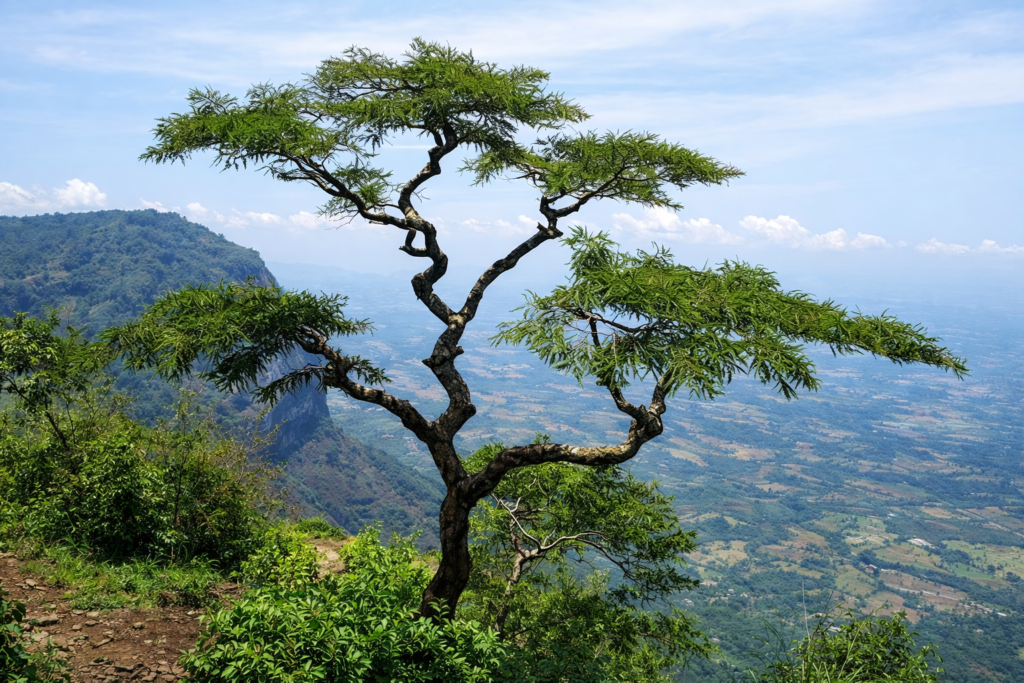
- Nelliyampathy Hills: Famous for its tea estates and stunning viewpoints.
- Palakkad Fort: A well-preserved fort built by Hyder Ali in 1766.
- Silent Valley National Park: A pristine rainforest and a biodiversity hotspot.
- Malampuzha Dam and Gardens: Features a large reservoir and a rock garden.
12. Bekal: The Northern Frontier
Bekal is famous for its giant fort and a climate that stays relatively pleasant during the winter months. The best time to visit is November to February for exploring the fort ramparts without the harsh sun. You should avoid the monsoon season if you wish to walk along the beach or the fort edge, as the wind and rain can be very strong, and the tides become unpredictable.
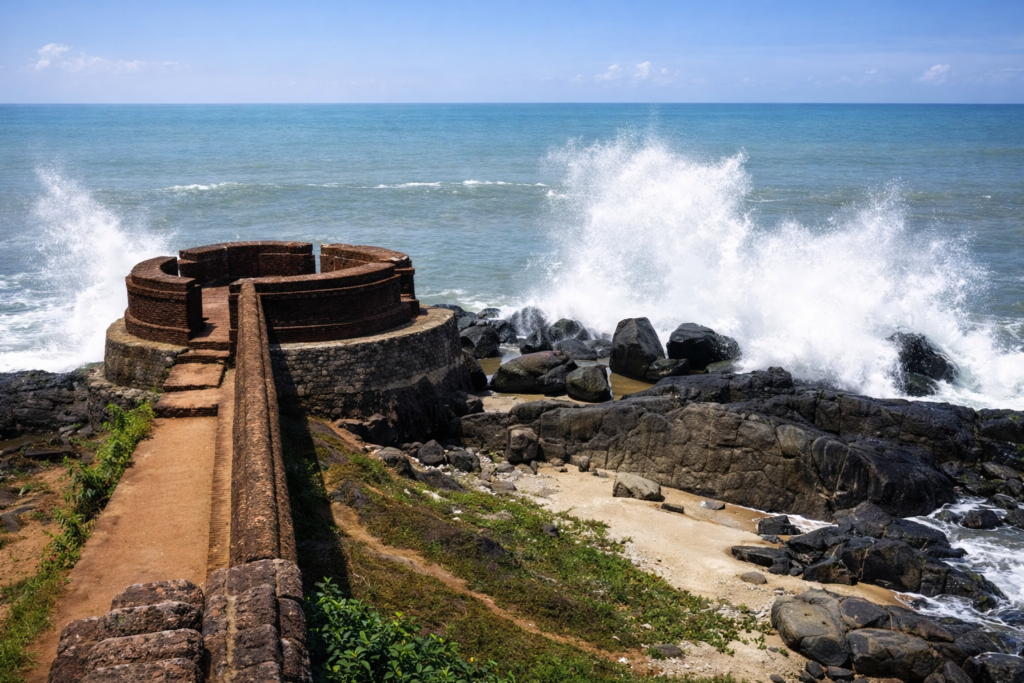
- Bekal Fort: The largest and best-preserved fort in Kerala.
- Bekal Fort Beach: A quiet, golden beach adjacent to the fort.
- Valiyaparamba Backwaters: One of the most scenic and untouched backwater stretches.
- Nityanandarshan Caves: A set of spiritual caves located near Hosdurg.
13. Thrissur: The Cultural Capital
Thrissur is the heart of Kerala’s festivals, enjoying a tropical climate that feels most alive during the post-monsoon months. The best time to visit is October to March for general sightseeing. However, if you wish to see the world-famous Thrissur Pooram festival, you must visit in April or May, but you should be prepared for extreme heat and very large crowds. Avoid the peak monsoon months for general exploration as heavy rains can limit travel.
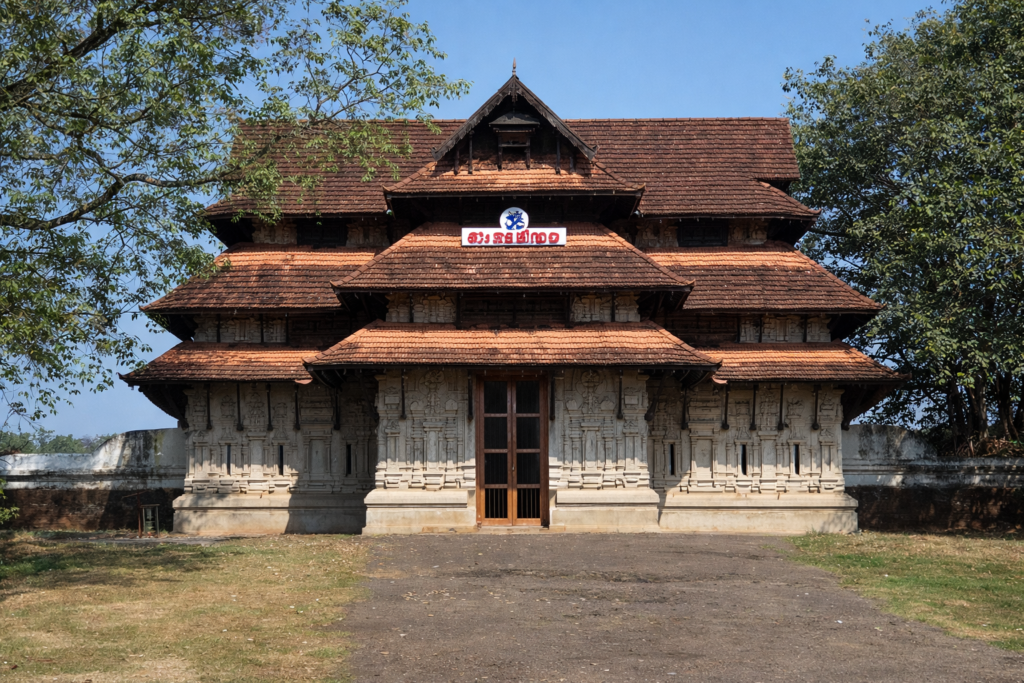
- Vadakkunnathan Temple: An architectural masterpiece dedicated to Lord Shiva.
- Shakthan Thampuran Palace: A palace showcasing the heritage of the Kochi royalty.
- Thrissur Zoo: A popular spot for families and nature lovers.
- Athirapally Waterfalls: Easily accessible from Thrissur for a day trip.
14. Munroe Island: The Hidden Paradise
Munroe Island offers a peaceful village atmosphere at the confluence of the lake and river. The best time to visit is November to February when the weather is breezy and dry, perfect for canal cruises. You should avoid the heavy rains of June–August as the water levels in the narrow canals can rise significantly, making the small country boat trips difficult and less safe.
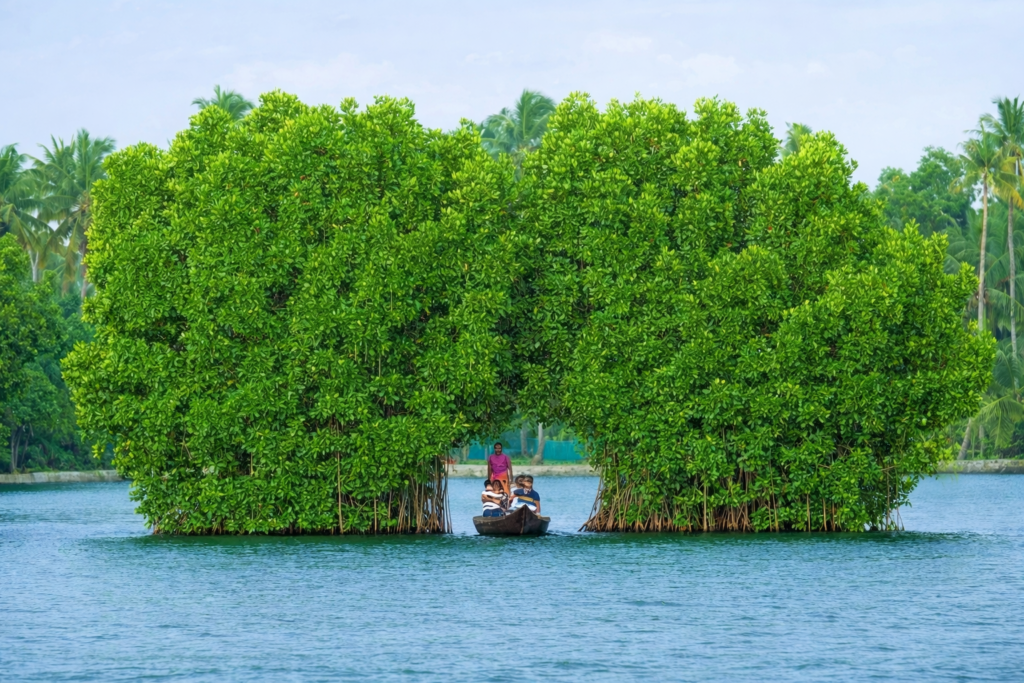
- Canal Cruises: Take a small boat through narrow, green canals.
- Kallada River: Great for watching the local life and fishing activities.
- Ashtamudi Lake: Offers stunning views of the sunset.
15. Poovar: The Golden Sand Escape
Poovar is a rare location where the river and sea meet, offering a coastal climate perfect for water-based stays. The best time to visit is November to February when the humidity is lower and the boat rides through the mangroves are most enjoyable. You should avoid the peak of summer to escape the harsh coastal sun, especially since most of the attractions here are outdoors and water-based.
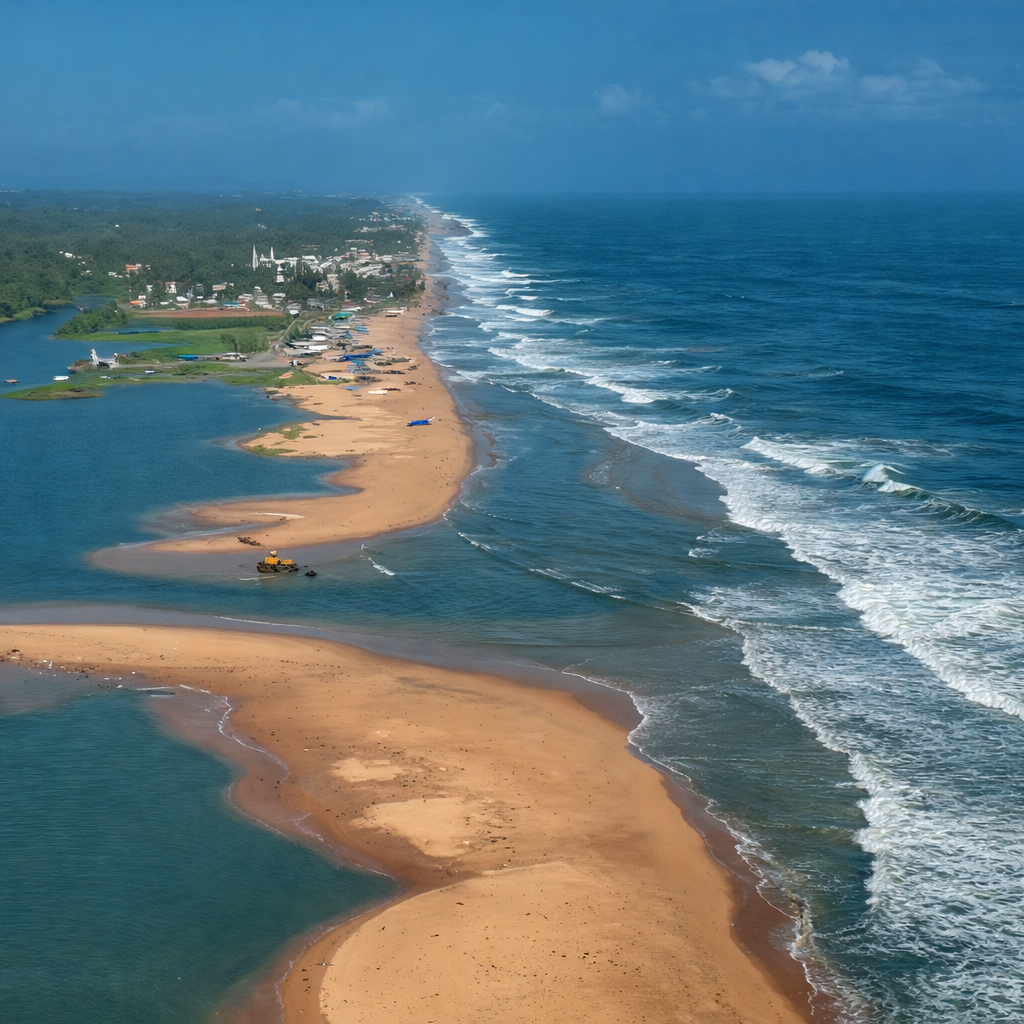
- Poovar Beach: A quiet beach where you can see the estuary meet the ocean.
- Floating Cottages: A unique stay experience right on the backwaters.
- Fishing Village: Explore the authentic lifestyle of the coastal community.
16. Thiruvananthapuram: The Royal Heritage
The capital city of Kerala is a blend of royal history and hills, featuring a tropical climate that is best enjoyed from October to February. During this time, the weather is breezy and dry, making it ideal for visiting grand temples and museums. You should avoid the summer months when the urban heat and humidity can make the city feel quite congested and tiring for travelers.
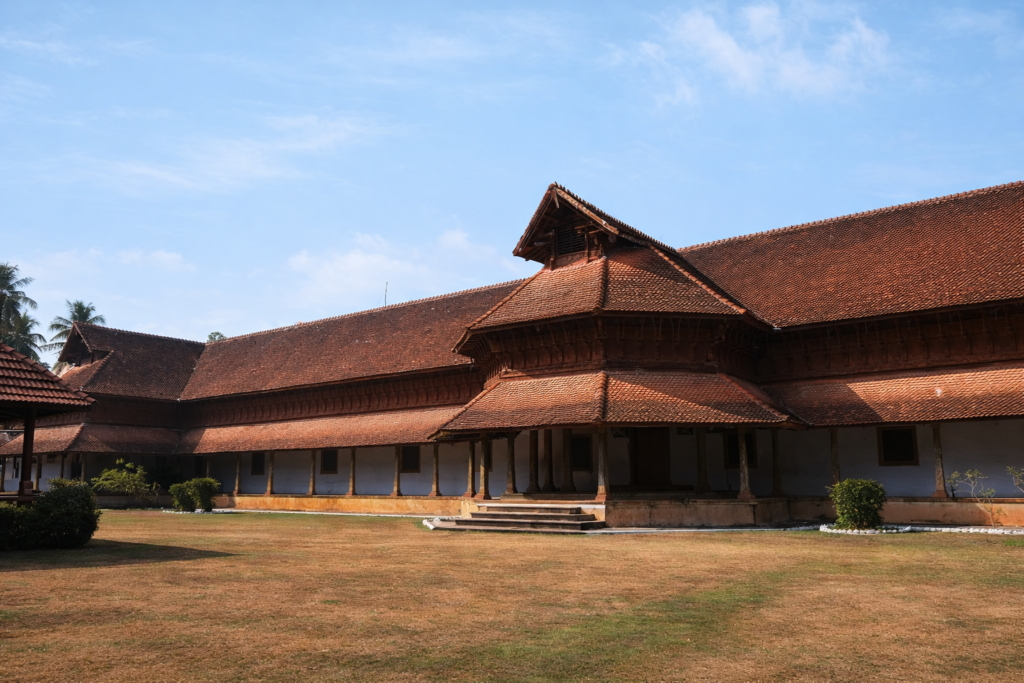
- Kuthiramalika Palace: Known for the 122 carved wooden horses.
- Padmanabhaswamy Temple: A spiritual marvel with incredible gold-plated architecture.
- Napier Museum: An art museum with unique Indo-Saracenic design.
- Veli Tourist Village: A scenic spot where a lake meets the sea.
17. Malarikkal: The Pink Lily Wonderland
Malarikkal is a seasonal wonder where paddy fields turn into a sea of pink. The best time to visit is strictly August to October, specifically in the early morning (6 AM to 9 AM). You should avoid other months if you want to see the pink carpet, as the lilies are strictly seasonal and will not be in bloom during the rest of the year.
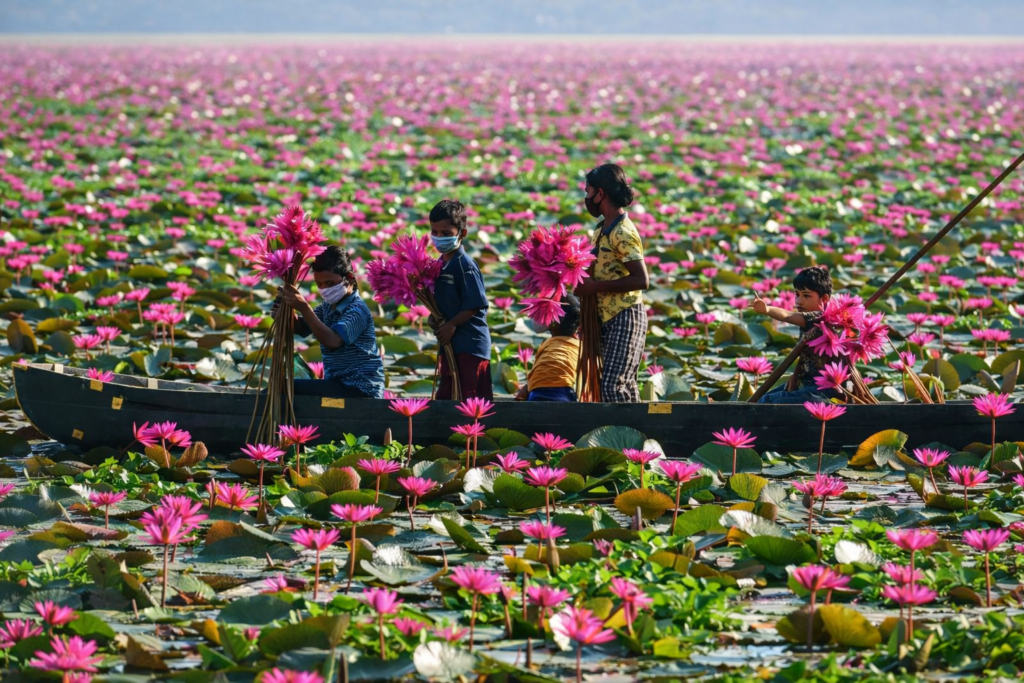
- Canoeing: Rent a small boat to paddle through the fields of lilies.
- Paddy Field Walks: Enjoy the fresh, rural atmosphere of Kottayam.
- Early Morning Visit: Best time to see the flowers before they close under the sun.
18. Gavi: The Eco-Tourism Haven
Gavi is a pristine forest area that stays cool even in the height of summer. The best time to visit is September to February for the best wildlife spotting and clear trekking paths. You should avoid the monsoon as forest roads can be dangerous due to fallen trees and leeches become a significant nuisance for those on foot.
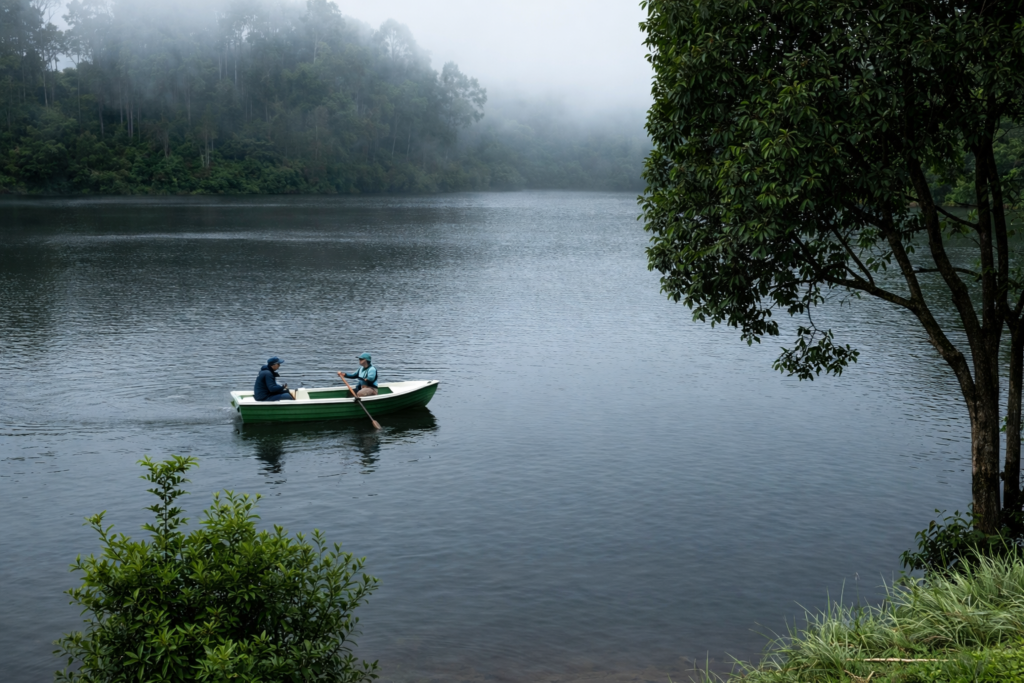
- Gavi Lake: Paddle a boat in the middle of a dense forest.
- Wildlife Trekking: Follow expert guides to spot bison and elephants.
- Bamboo Rafting: A quiet, eco-friendly way to explore the lake.
19. Kozhikode: The Land of Spices and Flavors
Kozhikode is a culinary paradise with a humid coastal climate. The best time to visit is October to March when the weather is mild enough to enjoy the beaches and street food walks. You should avoid visiting in April–May as the coastal humidity is at its highest, making the midday heat quite uncomfortable for exploring historical sites.
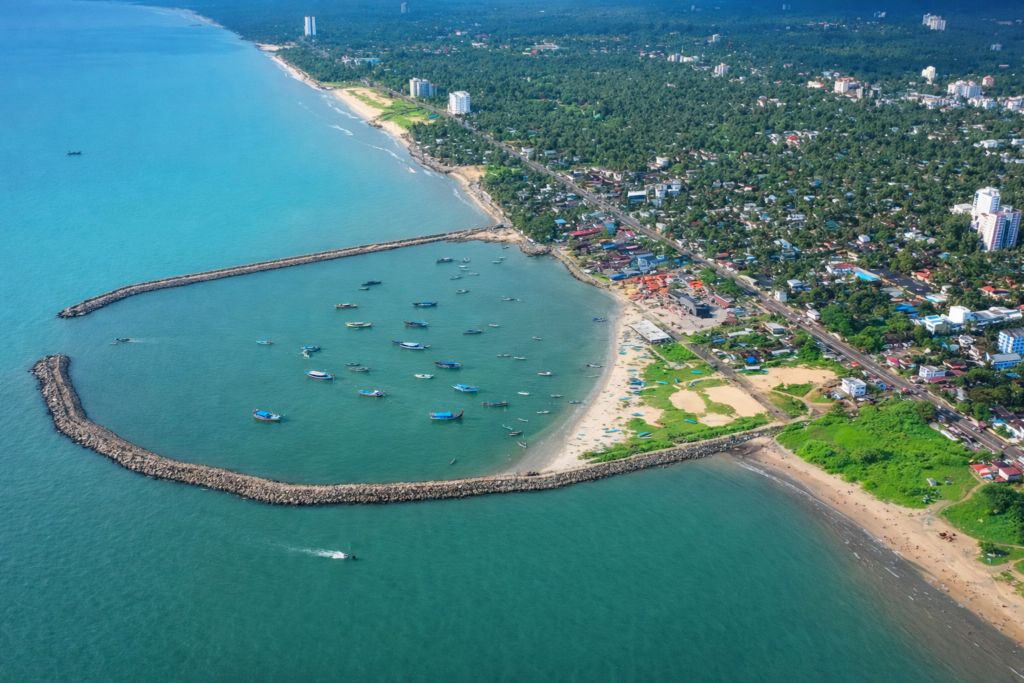
- Kozhikode Beach: A vibrant spot famous for its sunsets and street food.
- Tali Temple: An ancient temple known for its cultural significance.
- Kappad Beach: The historic site where Vasco da Gama landed in 1498.
- Mananchira Square: A beautiful park in the center of the city.
20. Kollam: The Backwater Gateway
Kollam is one of the world’s oldest ports, enjoying a pleasant backwater climate. The best time to visit is November to February when the air is cool and the water is still. You should avoid the peak monsoon if you plan on doing long-distance boat cruises, as heavy rains can obscure the views and make the open water choppy.
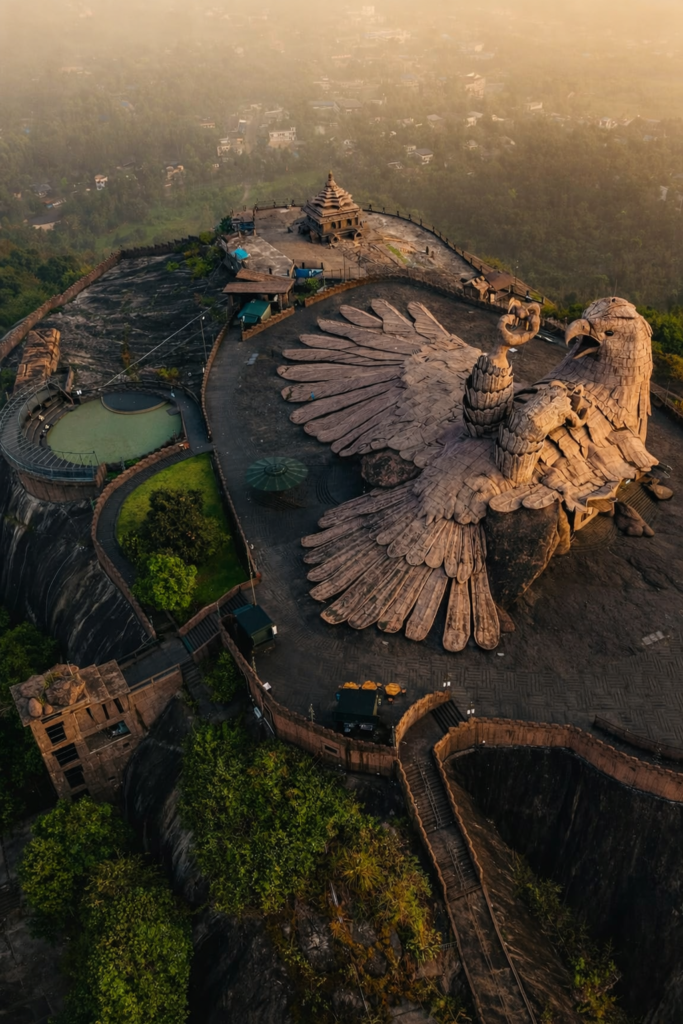
- Jatayu Earth’s Center: Visit the world’s largest bird sculpture.
- Ashtamudi Lake: Explore the vast backwaters and stay in a traditional resort.
- Thangasseri Lighthouse: Climb up for a 360-degree view of the sea.
- Palaruvi Waterfalls: A beautiful “stream of milk” falling from the hills.
21. Kavvayi: The Untouched North
Kavvayi is a hidden gem in Northern Kerala with a serene, untouched climate. The best time to visit is November to February for perfect boating weather. You should avoid the rainy season as boat services on these less-commercialized waters can be inconsistent and travel through the islands becomes difficult during heavy storms.
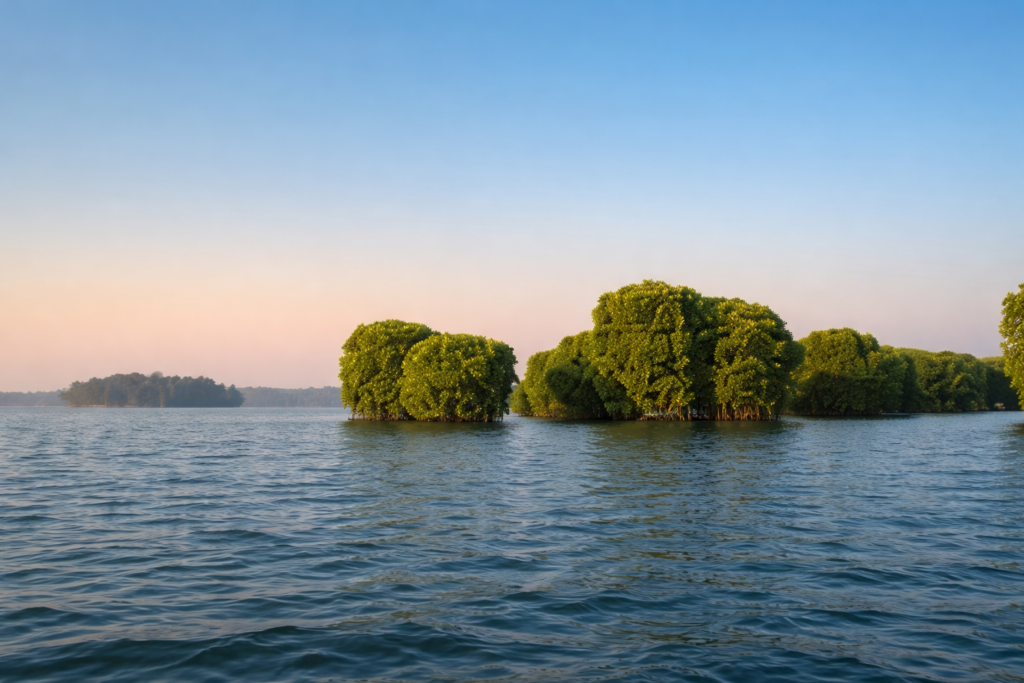
- Kavvayi Island: Explore the small, quiet islands by boat.
- Valiyaparamba Island: A strip of land where you can see the sea and lake together.
- Boating: Experience the tranquility of the north’s untouched waters.
22. Nelliampathy: The Misty Mountains
Nelliampathy is a stunning hill station that offers a cool refuge from the heat of Palakkad. The best time to visit is September to March when the mist settles over the tea estates and the air is at its freshest. You should avoid the peak of summer as the greenery can fade slightly and the drive up the hairpin bends can be hot until you reach the higher altitudes.
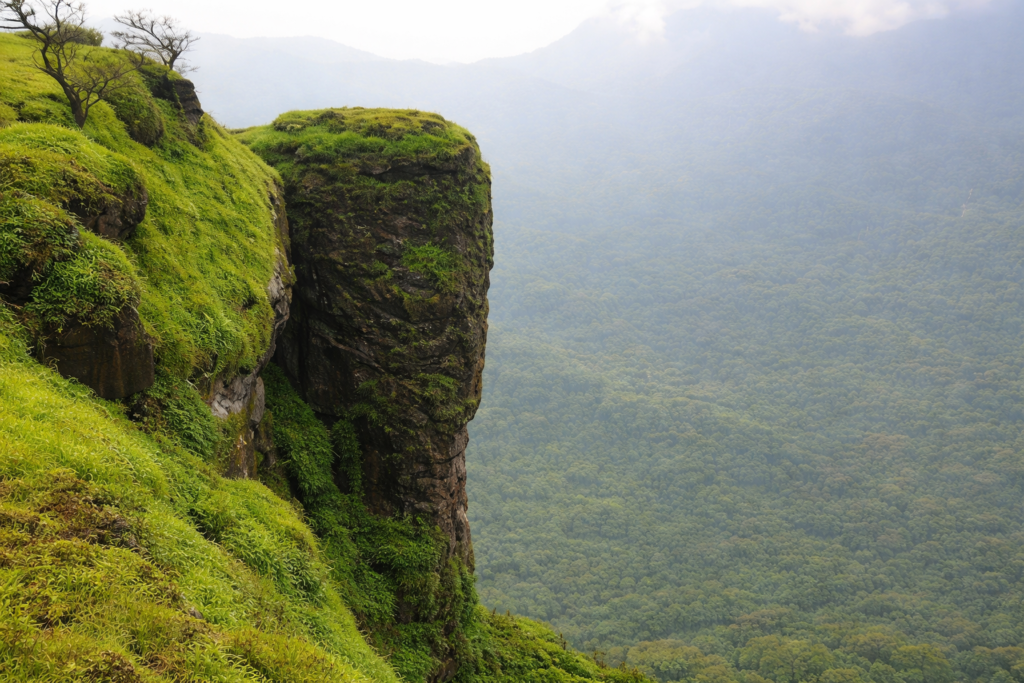
- Seetharkundu Viewpoint: A cliff that offers a majestic view of the valley.
- Pothundi Dam: A beautiful reservoir located at the base of the hills.
- Nelliyampathy Hills: Famous for its orange and coffee plantations.
Summary
Kerala is a land where nature and culture weave a perfect tapestry. From the misty Munnar peaks to the tranquil Alleppey backwaters, these 22 iconic spots offer a complete roadmap for experiencing “God’s Own Country.” While planning your adventure, many travelers wonder, is Kerala safe for travelers? The answer is a resounding yes, but our simple guide offers the essential tips you need for a worry-free trip. For the most seamless experience, the Hopnest app serves as your digital guide to navigating these locations and discovering local secrets in real-time.